Some interesting law and religion news stories from around the web last week:
- Nebraska’s legislature overrode the governor’s veto of a bill repealing the state’s death penalty law, making Nebraska the first conservative state in more than 40 years to abolish the death penalty.
- As studies show increasing numbers of atheist and religiously unaffiliated Americans, organizations work towards building a secular voting block for the 2016 election.
- A Buddhist monk and the leader of Burma’s 969 movement, a radical nationalist group, was accused of inciting violence against the Rohingya, a Muslim minority.
- A French mosque used France’s 1905 law guaranteeing secularism to successfully argue its case against a member of the congregation regarded as disruptive for criticizing the imam, holding parallel prayers, and preaching his ultraconservative Salafist brand of Islam.
- In response to litigation, the Department of Homeland Security released a questionnaire used by U.S. border officials that includes questions about travelers’ religious practices and relationship to martyrs.
- A Christian advocacy group in Britain warned that measures introduced in the UK to tackle Muslim fundamentalism could be used to “clamp down on legitimate expressions of dissent” and subject comedians, campaign groups, religious groups, secularist groups, and journalists to harsh measures.
- A US Marine relied on RFRA in appealing her conviction for violating an order to remove a Bible verse she taped to her computer.
- The UN’s rights envoy to Myanmar expressed alarm over the enactment of four race and religion bills considered to be discriminatory against ethnic and religious minorities.
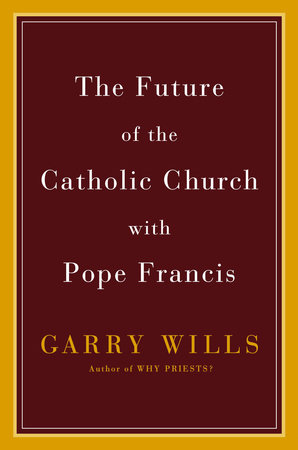 challenge to his church. Can he bring about significant change? Should he?
 Mubarak’s authoritarian regime was swept from power in Egypt, Muslim women took a leading role in developing a robust Islamist presence in the country’s public sphere. Soft Force examines the writings and activism of these women—including scholars, preachers, journalists, critics, actors, and public intellectuals—who envisioned an Islamic awakening in which women’s rights and the family, equality, and emancipation were at the center.