Here are some important law-and-religion news stories from around the web:
- U.S.-backed fighters have seized the Islamic State’s “capital,” Raqqa, leaving the terrorist organization in control of a rapidly-shrinking territory.
- The same federal judge who blocked the Trump Administration’s initial travel ban has ruled a new version unconstitutional hours before it was to take effect, citing “plain[] discriminat[ion] based on nationality” and a failure on the part of the Administration to show “detriment[]” to U.S. interests.
- The Fourth Circuit Court of Appeals has ruled that a cross-shaped monument to soldiers killed in World War I that had stood on public land since 1925 violates the Establishment Clause by excessively entangling the government with religion; the dissenting panelist, Chief Judge Robert L. Gregory, questioned the majority’s focus on the monument’s size.
- Quebec’s National Assembly has narrowly passed a ban on wearing face coverings while giving or receiving a public service, although those affected can request an accommodation.
- Ahmad Khan Rahimi, the man responsible for a bombing in lower Manhattan last year that left dozens injured, has been convicted of terrorism charges and will receive a mandatory life sentence.
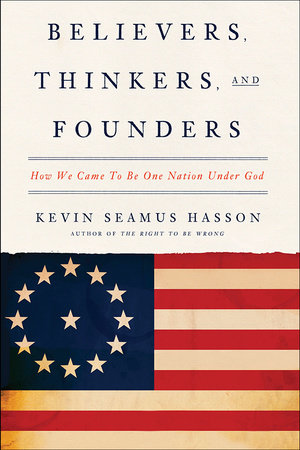 Under God, Kevin Seamus Hasson—founder and president emeritus of the Becket Fund for Religious liberty—offers a refreshing resolution to the age-old dispute surrounding the relationship of religion and state: a return to first principles.
 continues to have an important yet contested role in individual lives and in society at large. Furthermore half a century or so in which religion and belief were barely talked about in public has resulted in a pressing lack of religious literacy, leaving many ill-equipped to engage with religion and belief when they encounter them in daily life – in relationships, law, media, the professions, business and politics, among others. This valuable book is the first to bring together theory and policy with analysis and expertise on practices in key areas of the public realm to explore what religious literacy is, why it is needed and what might be done about it. It makes the case for a public realm which is well equipped to engage with the plurality and pervasiveness of religion and belief, whatever the individual’s own stance. It is aimed at academics, policy-makers and practitioners interested in the policy and practice implications of the continuing presence of religion and belief in the public sphere.
 Muslims has provoked public anxiety. New government regulations seek not only to restrict Islamic practices within the public sphere, but also to shape Muslims’, and especially women’s, personal conduct. Pious Practice and Secular Constraints chronicles the everyday ethical struggles of women active in orthodox and socially conservative Islamic revival circles as they are torn between their quest for a pious lifestyle and their aspirations to counter negative representations of Muslims within the mainstream society.
 established as well as “new” American religions and investigates the fascinating interactions between religion and ethnicity, gender, politics, regionalism, ethics, and popular culture.